


Hey there! As a supplier of Conventional X Ray Film, I often get asked if our product can be used for pediatric X - rays. So, I thought I'd write this blog to share my thoughts and some scientific insights on this topic.
First off, let's talk about what Conventional X Ray Film is. It's a tried - and - true method in the medical imaging world. It's been around for ages and has a solid track record. You can check out more about Medical X Ray Film on our website.
When it comes to pediatric X - rays, there are some unique considerations. Kids are not just small adults. Their bodies are still developing, and their cells are more sensitive to radiation. That's a big deal because X - rays use radiation to create images. So, the question is, can our Conventional X Ray Film be a good choice for these little patients?
One of the main advantages of Conventional X Ray Film is its image quality. It can produce high - resolution images that are really clear. This is super important when it comes to diagnosing conditions in kids. A clear image can help doctors spot even the tiniest abnormalities, which is crucial for early detection and treatment.
Another plus is that Conventional X Ray Film is well - understood. Doctors and radiologists have been using it for years, so they're very familiar with how to read and interpret the images. This means there's less room for error when it comes to making a diagnosis.
But we also have to think about the radiation exposure. As I mentioned earlier, kids are more sensitive to radiation. Conventional X Ray Film does require a certain amount of radiation to create an image. However, modern techniques have made it possible to reduce the radiation dose while still getting a good quality image.
We also offer Flat Film X Ray, which has some features that can be beneficial for pediatric X - rays. It's designed to be more flexible and can be adjusted to fit different body parts of kids more easily.
Now, let's talk about the shelf life of our film. Our 2 - year Shelf Life Medical Film is a great option. It gives hospitals and clinics plenty of time to use the film before it expires. This is important because you don't want to waste money on film that goes bad before you can use it.
In terms of cost, Conventional X Ray Film can be a cost - effective option. It's not as expensive as some of the newer digital imaging technologies. This is a big plus for hospitals and clinics, especially those with limited budgets.
But there are also some challenges. For example, Conventional X Ray Film requires a darkroom for processing. This can be a hassle, especially in smaller clinics. And it also takes some time to develop the film, which means patients may have to wait longer for their results.
Another thing to consider is the environmental impact. Conventional X Ray Film uses chemicals for processing, which can be harmful to the environment if not disposed of properly.

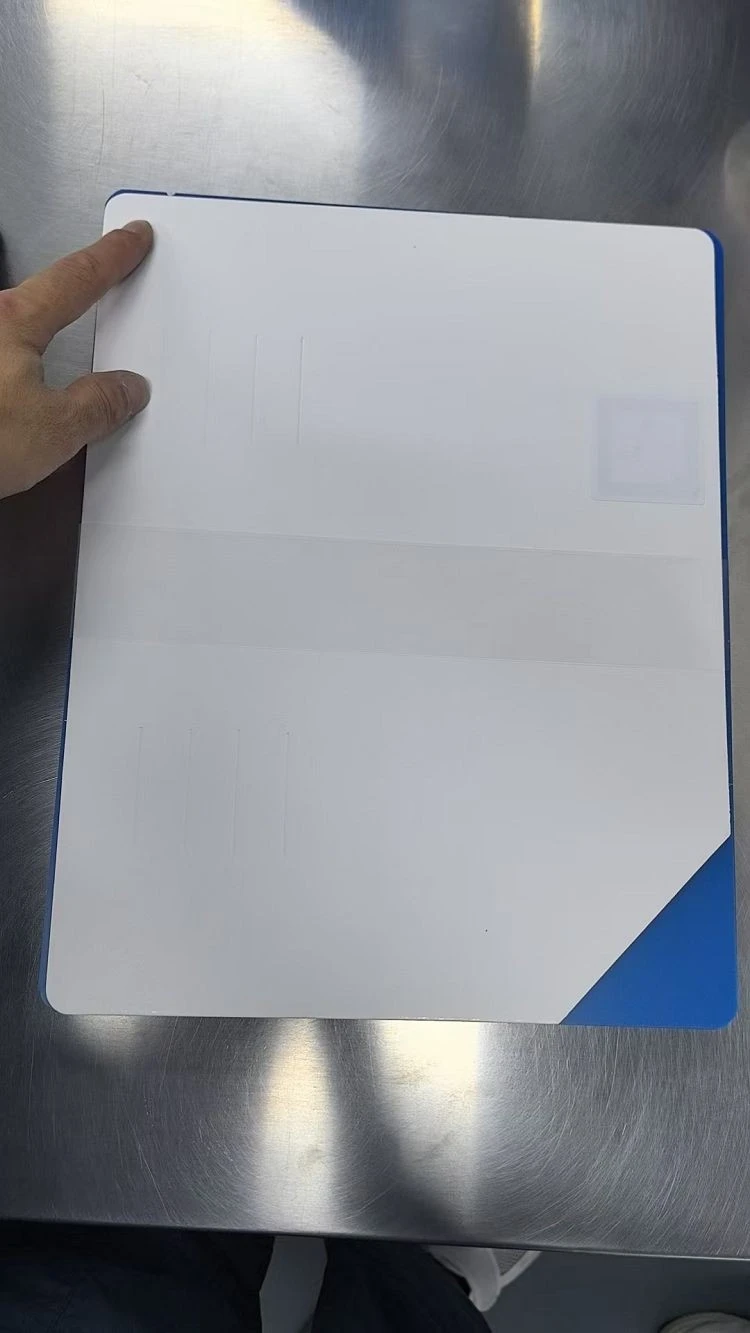
So, can Conventional X Ray Film be used for pediatric X - rays? The answer is yes, but with some considerations. It can provide high - quality images, and with proper techniques, the radiation exposure can be kept to a minimum.
If you're a hospital, clinic, or any medical institution looking for a reliable X Ray Film for pediatric X - rays, I'd love to have a chat with you. We can discuss your specific needs and see if our Conventional X Ray Film is the right fit for you. Whether it's about the image quality, the shelf life, or the cost, we can work together to find the best solution.
In conclusion, while there are pros and cons to using Conventional X Ray Film for pediatric X - rays, it's definitely a viable option. It has a long - standing reputation in the medical field, and with the right approach, it can be a great choice for diagnosing kids' health issues.
References:
- Textbooks on medical imaging
- Research papers on pediatric radiology
- Industry reports on X - ray film technology